Who Is This For?
This guide is for anyone looking to optimize their diet for better performance, body composition, and overall health. Research consistently shows that evidence-based approaches to fitness yield superior results compared to anecdotal methods.
Who Should Avoid This?
If you have a diagnosed medical condition such as diabetes, kidney disease, or an eating disorder, consult your healthcare provider before making significant dietary changes.
You hit the gym hard. You sweat, you lift, and you push your limits. But if you ignore what you put in your body before. After that session, you are leaving 50% of your gains on the table.
Nutrition is not just about "eating healthy." It is about providing the specific fuel your body needs to perform at peak capacity. The specific building blocks it needs to repair effectively. This is the science ofNutrient Timing.
While total daily calories are king for weight loss or gain, timing is the queen of performance. Recovery. In this guide, we break down exactly what to eat, when to eat it. Why.
Use our Workout Planner to apply these principles, and pair with the Diet Planner and Calorie Calculator for a complete approach.>1. Pre-Workout Nutrition: Fueling the Engine
The goal of your pre-workout meal is to maximize glycogen stores (energy), minimize muscle protein breakdown. Potentially buffer fatigue.
Lubricate every joint from neck to ankles with this joint circulation warm-up routine.
Focus: Carbohydrates & Protein
Carbohydrates are your body's preferred fuel source for high-effort training. Protein ensures you have amino acids circulating in your bloodstream *during* the workout. Halting catabolism before it starts.
- Timing: Eat a solid meal 2-3 hours before training.
- The Meal: Complex carbs + lean protein. (e.g., Chicken with brown rice, Oats with whey protein).
- Right Before (30 mins):If you missed a meal. Grab a fast-digesting carb sources like a banana or dextrose powder.
Avoid: Heavy fats and fiber immediately before training. They slow digestion and can cause stomach cramping.
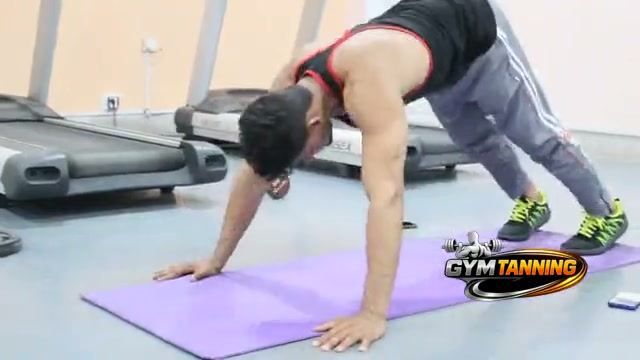
Full body warmup before workout.
2. Intra-Workout: Do You Need It?
For most people training 45-60 minutes, water is sufficient. However. If you are an endurance athlete or training effectively for 90+ minutes, intra-workout carbs can avoid cortisol spikes.
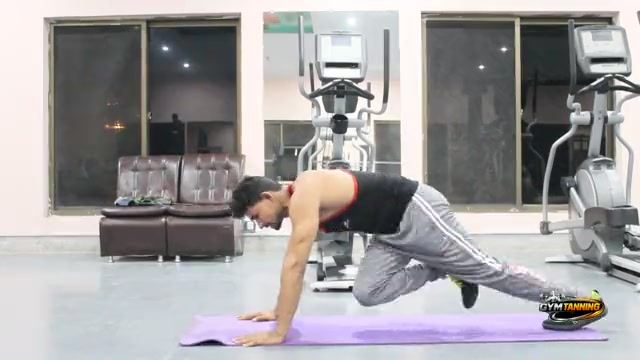
Single leg for effort.
3. Post-Workout Nutrition: The Anabolic Window
The "anabolic window" (the idea that you must drink a shake within 30 minutes or lose all gains) is largely a myth. However, the concept is valid: your body is primed to absorb nutrients after training.
Goal: Replenish & Repair
Your muscles are like a dry sponge after a workout. You want to:
- Replenish Glycogen: Spiking insulin (the storage hormone) helps shuttle nutrients into cells. Simple carbs are great here.
- Initiate Protein Synthesis: Fast-digesting protein (like Whey Isolate) hits the bloodstream quickly to start tissue repair.
Recommendation:Consuming a meal within 1-2 hours post-workout is best. If you haven't eaten for 4-5 hours prior, eating sooner is better.
4. Hydration: The Forgotten Nutrient
A 2% drop in hydration can lead to a 20% drop in performance. Your muscles are 75% water. If you are dehydrated, you are weak.
The Protocol:
- Drink 500ml upon waking.
- Drink 500-1000ml during your workout.
- Add electrolytes (Sodium, Potassium, Magnesium) if you sweat heavily.
5. Supplements: What Actually Works?
Don't rely on pills, but these supplements can help:
- Creatine Monohydrate: 5g/day. Improves power output and hydration.
- Caffeine: 200mg pre-workout. Reduces perceived effort.
- Beta-Alanine: Buffers lactic acid (gives you the tingles).
Conclusion
Complex timing strategies won't save a bad diet. Hit your total calories and protein first. Then, dial in your pre. Post-workout nutrition to build that next level of performance.