Who Is This For?
This guide is for lifters of all levels who want to improve their exercise technique, build functional strength, and optimize their training results. Research consistently shows that evidence-based approaches to fitness yield superior results compared to anecdotal methods.
Who Should Avoid This?
Consult a healthcare professional before starting this program if you have existing joint or musculoskeletal injuries, or if you are recovering from surgery.
Building a powerful, athletic physique does not require an expensive gym membership. In this guide. We break down how to optimize Calisthenics Leverage Basics right from the comfort of your living room. To establish your home exercise energy targets, check out ourFree Calorie Calculator.
1. Understanding the Core Science
Calisthenics uses bodyweight as resistance. This training plan allows you to target stabilizer muscles. Build functional core strength.
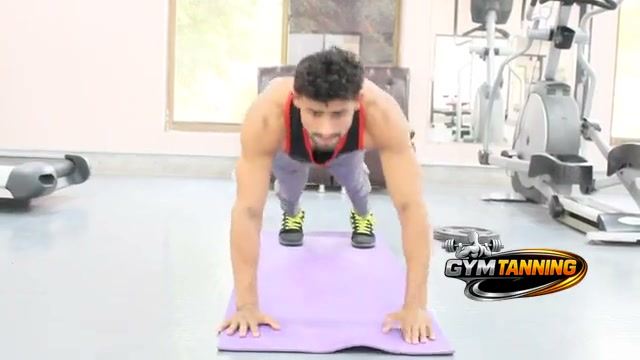
Progressive overload in pushups requires moving from wall and incline pushups to flat, decline, archer. Unilaterally loaded variations as chest strength increases. High-density bodyweight training improves metabolic fitness and muscular endurance.
Manipulate your training volume. Rest periods to increase the effort of your home workouts.
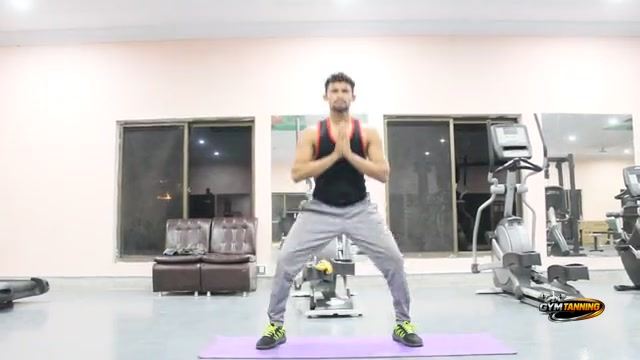
Step backward. Both knees 90 degrees.
2. Comparison & Data Metrics
| Protocol Type | Target Area | Recommended Intensity | Optimal Frequency |
|---|---|---|---|
| Standard Routine | Calisthenics Leverage Basics | Moderate to High (RPE 7-9) | 2-3 times per week |
| Advanced Protocol | Systemic fitness | Peak Intensity (RPE 9-10) | 1 time per week |
Neutral grip. Brachialis focus.
3. Step-by-Step Action Plan
Horizontal pulling is difficult without equipment. To stay steady with your home workouts, build a clear schedule. Follow this checklist:
Your Action Checklist
- Pillar 1: Calisthenics uses bodyweight as resistance.
- Pillar 2:Progressive overload in pushups requires moving from wall and incline pushups to flat, decline, archer. Unilaterally loaded variations as chest strength increases.
- Pillar 3: Horizontal pulling is difficult without equipment.
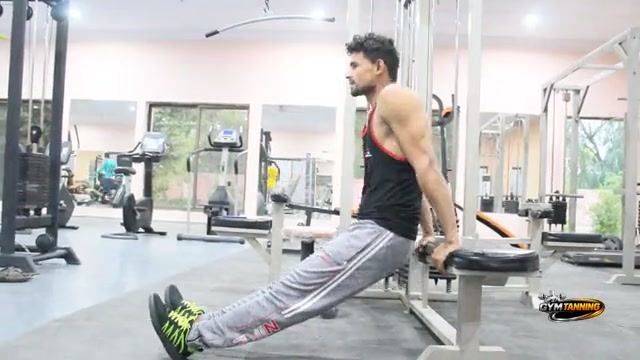
- Pillar 4: Building legs at home requires unilateral loading.
4. Advanced Considerations
Building legs at home requires unilateral loading. Combine resistance band training with bodyweight exercises to create a progressive overload effect.
Expert Pro-Tip
Always focus on strict control during your sessions. Consistency of progressive overload beats random hard efforts.
Opposite arm/leg. Core stability.
5. Summary and Final Thoughts
Consistency is the absolute key to succeeding with home workouts. Set up a dedicated training space and stick to your schedule. Optimize your home diet using ourCustom Diet Planner, and generate plans with ourWorkout Routine Planner.