Who Is This For?
This guide is for lifters of all levels who want to improve their exercise technique, build functional strength, and optimize their training results. Research consistently shows that evidence-based approaches to fitness yield superior results compared to anecdotal methods.
Who Should Avoid This?
Consult a healthcare professional before starting this program if you have existing joint or musculoskeletal injuries, or if you are recovering from surgery.
If you think core training is just doing endless crunches on your living room floor, think again. True core stability is about bracing and resisting movement, not flexing your spine until your neck hurts. When you master intra-abdominal pressure, every bodyweight movementâ€â€from pushups to squatsâ€â€becomes twice as effective and far safer.
Before adding heavy resistance, you need to lock your midsection into a stable cylinder. To calculate your baseline caloric requirements and macro targets to support your training, make sure to check out our Free Calorie Calculator.
1. The Science of Core Stability & Intra-Abdominal Pressure
Your core consists of your transverse abdominis, obliques, erector spinae, diaphragm, and pelvic floor. Together, these muscles form a 360-degree corset around your lumbar spine.
Real bracing relies on Intra-Abdominal Pressure (IAP). Take a deep diaphragmatic breath into your belly and expand your waistband in all directions, then firm up your abdominal wall. This pneumatic pressure stabilizes the spine and prevents energy leaks during home calisthenics. To balance your training splits, explore our Workout Routine Planner.
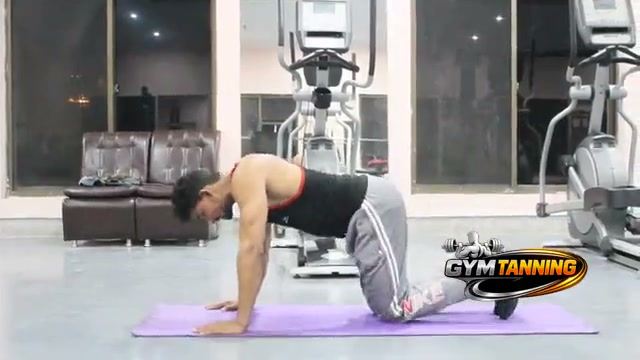
Tabletop position. Push heel up while maintaining a neutral lumbar spine and active brace.
2. Practical Protocols & Training Data
When training at home, anti-movement exercises (anti-extension, anti-rotation) are your best tools for building genuine core strength.
| Movement Pattern | Best Home Exercises | Coaching Focus | Weekly Frequency |
|---|---|---|---|
| Anti-Extension | Planks, Hollow Body Holds, Dead Bugs | Ribs down, tilt pelvis posteriorly | 3-4 sessions/week |
| Anti-Rotation | Pallof Press (Bands), Side Planks | Resist hip rotation & shoulder twist | 2-3 sessions/week |
| Hip Integration | Donkey Kicks, Glute Bridges | Keep lower back flat, squeeze glutes | 3 sessions/week |
Explosive power requires a stiff core brace upon landing to absorb impact smoothly.
3. Major Benefits of Proper Core Bracing
- Protects Your Lower Back: Bracing creates a hydraulic shield that removes compressive force from lumbar vertebrae during pushups and leg raises.
- Eliminates Energy Leaks: A loose core bleeds force. Bracing ensures effort goes directly into the target movement.
- Improves Posture & Alignment: Strengthening anti-extension muscles corrects anterior pelvic tilt naturally.
Coach's Pro-Tip: The "Ribs to Hips" Cue
When bracing for planks or pushups, think about pulling your bottom ribs down toward your hip bones. This engages the rectus abdominis and obliques simultaneously while preventing lower back sagging.
4. Expert Coaching Cues for Home Athletes
4 Essential Bracing Cues
- 360-Degree Expansion: Don't suck your stomach in. Breathe deep into your lower ribs so your torso expands all around.
- Squeeze Your Glutes: Flexing your glutes locks your pelvis in place, amplifying core tension automatically.
- Progressive Overload: Increase hold times or add anti-rotation bands over time. Learn more in our Progressive Overload Guide.
Hold wall. Keep brace tight to isolate glutes without arching lower back.
5. Frequently Asked Questions (FAQ)
Q: Should I pull my belly button to my spine or push outward when bracing?
Push outward 360 degrees, not pull inward. Pulling your belly button inward weakens mechanical stability, whereas bracing outward creates rigid intra-abdominal pressure that protects your lumbar spine.
Q: How often should I practice core stability exercises at home?
You can train core stability 3 to 5 times per week. Include anti-extension work (planks) on push days and anti-rotation (side planks) on pull days.
Q: Why does my lower back hurt during pushups or planks?
Lower back pain occurs when your core fatigues and your pelvis tilts forward. Focus on tucking your tailbone under and squeezing your glutes to keep your back flat.
6. Summary & Action Plan
Core bracing is the foundational skill for every home workout. Practice 360-degree bracing on every rep, pair your training with tailored nutrition using our Custom Diet Planner, and make steady strength gains week after week!