Who Is This For?
This guide is for lifters who want to increase their maximal strength through proper technique, programming, and progressive overload. Research consistently shows that evidence-based approaches to fitness yield superior results compared to anecdotal methods.
Who Should Avoid This?
If you have a history of joint injuries, hernias, or cardiovascular conditions, get medical clearance before attempting heavy strength training.
Building clean muscle mass is a proven process requiring progressive overload, sufficient protein intake. A structural caloric surplus. In this guide. We look at the muscle growth mechanics of Rep Ranges (Failure vs. Load) to help you maximize growth. To calculate your target calorie surplus and daily protein needs, use ourFree Calorie Calculator.
1. Understanding the Core Science
Muscle fibers grow when working sets are taken within 1-3 Reps in Reserve (RIR). Understanding this overload mechanism allows you to choose the right training volume to stimulate growth.
The eccentric (lowering) phase of a lift creates high mechanical tension. This key body response helps optimize muscle cell swelling. Amino acid transport.
Squeeze the target muscle at the peak of contraction. Avoid using momentum to lift the weights.
Constant tension. Squeeze at the center.
2. Comparison & Data Metrics
| Protocol Type | Target Area | Recommended Intensity | Optimal Frequency |
|---|---|---|---|
| Standard Routine | Rep Ranges (Failure vs. Load) | Moderate to High (RPE 7-9) | 2-3 times per week |
| Advanced Protocol | Systemic fitness | Peak Intensity (RPE 9-10) | 1 time per week |
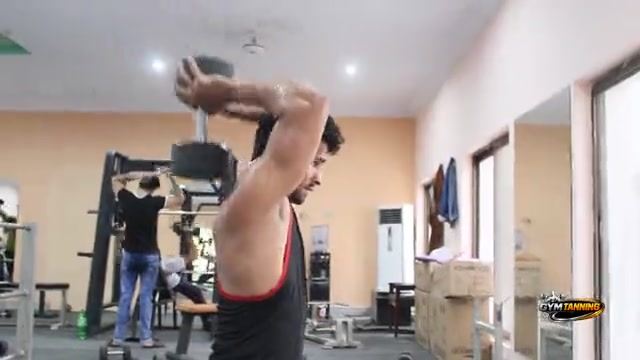
Stretch. Strengthen the long head of the tricep with overhead extensions for complete arm development.
3. Step-by-Step Action Plan
Compound lifts (squat, bench, press) overload the systemic skeletal structure. To optimize muscle muscle growth, you must track your volume, sets. Reps. Use this checklist daily:
Your Action Checklist
- Pillar 1: Muscle fibers grow when working sets are taken within 1-3 Reps in Reserve (RIR).
- Pillar 2: The eccentric (lowering) phase of a lift creates high mechanical tension.
- Pillar 3: Compound lifts (squat, bench, press) overload the systemic skeletal structure.
- Pillar 4:Muscle soreness (DOMS) is a sign of tissue damage. Not a metric of growth.
4. Advanced Considerations
Muscle soreness (DOMS) is a sign of tissue damage. Not a metric of growth. Advanced lifters should focus on training close to failure (RPE 8-10) to stimulate stubborn muscle fibers.
Expert Pro-Tip
Always focus on strict control during your sessions. Consistency of progressive overload beats random hard efforts.
Target rear delts. Upper back simultaneously for improved shoulder balance and aesthetics.
5. Summary and Final Thoughts
Muscle building takes time, steady heavy lifting, and clear eating. Stay dedicated to the process. Customize your bulking macros with ourCustom Diet Planner, and get your gym splits from ourWorkout Routine Planner.