Who Is This For?
This guide is for athletes and active individuals who want to optimize their recovery between workouts for better performance and injury prevention.
Who Should Avoid This?
If you have a chronic health condition, cardiovascular issues, or are recovering from an acute injury, consult your doctor before using these recovery techniques.
You crush your workouts. You track your macros. You follow every training program to the letter. Yet somehow, your progress stalls. Your muscles feel perpetually heavy, your joints ache. That nagging fatigue never quite lifts.
The problem is not your training. It is your recovery. Every hour you spend in the gym must be matched with deliberate. Science-backed recovery strategies. Without them. You are literally tearing down muscle tissue faster than your body can rebuild it.
1. The Science of Muscle Recovery: What Happens During Rest
When you lift weights, you create microscopic tears in your muscle fibers. This is the stimulus for growth. But the actual growth happens during recovery. Here is the body sequence your body follows after training.
- Inflammatory Response (0-4 hours post-workout):Satellite cells migrate to damaged tissue. Begin repair. Blood flow increases to deliver oxygen and nutrients. This is why muscles feel swollen and sore.
- Repair Phase (4-24 hours):Protein synthesis ramps up. Your body uses amino acids from your diet to rebuild damaged fibers. Them thicker and stronger than before.
- Supercompensation (24-72 hours):If you provide adequate rest. Nutrition, muscle tissue repairs beyond its original capacity. This is the "growth" window. Training again too soon interrupts this process.
- Adaptation (72+ hours):Neural pathways strengthen, glycogen stores fully replenish. Connective tissue adapts. Full recovery for large muscle groups like quads. Back can take 72-96 hours.
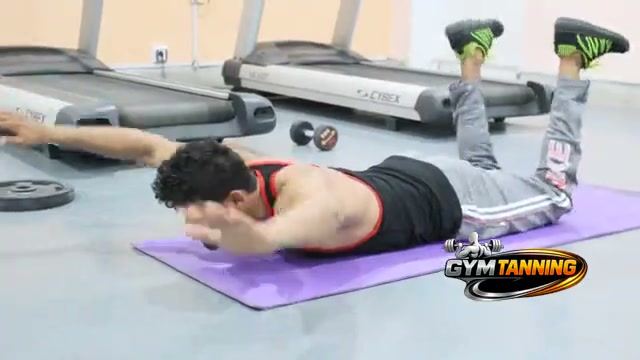
Reduce muscle soreness. Improve recovery with this complete cool down stretch after your workout.
Use our Workout Planner to apply these principles, and pair with the Diet Planner and Calorie Calculator for a complete approach.
2. Active Recovery vs Complete Rest: Finding the Balance
Not all rest days are created equal. The choice between active recovery and complete rest depends on your training effort, feel level. Current fatigue state.
A flowing full-body stretch sequence that warms up joints. Increases range of motion before heavy lifting.
When to Choose Complete Rest
Complete rest days are non-negotiable when you feel any of the following: persistent fatigue that does not improve with sleep. Elevated resting heart rate, irritability or mood swings, decreased appetite, or aching joints. These are signs of central nervous system fatigue. Only time can heal.
A complete daily stretching routine for every major muscle group - perfect for morning or evening flexibility normal levels.
When Active Recovery Helps
Active recovery involves low-effort movement that increases blood flow without taxing your muscles or CNS. Effective active recovery includes walking at a conversational pace, light stretching or foam rolling, yoga flow. Swimming at low effort. The goal is to increase circulation. Flush metabolic waste without creating more muscle damage.
3. Sleep: The Ultimate Recovery Tool
Sleep is arguably the most powerful recovery tool available. Yet it is the most neglected. During deep sleep (NREM stage 3). Your body releases 95% of its daily human growth hormone. This is non-negotiable for muscle repair.
- Growth Hormone Release:The pulse occurs about 60-90 minutes after falling asleep. Interrupted sleep means interrupted hormone release.
- Cortisol Regulation:Quality sleep lowers cortisol levels. Chronic sleep deprivation keeps cortisol elevated. Is catabolic and eats away at muscle tissue.
- Glycogen Replenishment:Sleep enhances insulin sensitivity. Your muscles to store glycogen more efficiently for the next workout.
4. Nutrition Strategies for Faster Recovery
Recovery nutrition is a separate discipline from pre-workout fueling. The goals are different: reduce inflammation, replenish glycogen. Provide building blocks for repair.
- Protein Timing:Consume 30-40 grams of protein within two hours post-workout. Leucine-rich sources like whey, chicken. Eggs trigger muscle protein synthesis most effectively.
- Carbohydrate Replenishment: After intense training, muscles are primed to absorb glucose. Aim for 0.5-0.7 grams of carbs per pound of body weight in your post-workout meal.
- Anti-Inflammatory Foods:Tart cherry juice, fatty fish, turmeric. Leafy greens reduce exercise-induced inflammation and speed recovery.
- Hydration:Even 2% dehydration impairs recovery. Replace fluids lost during training plus an more 20-30% for best cellular repair.
5. Recovery Tools and Techniques
Foam Rolling and Self-Myofascial Release
Foam rolling breaks up adhesions in the fascia. Increases blood flow to targeted areas. Spend 2-3 minutes per major muscle group, focusing on trigger points. Avoid rolling directly over joints or bony areas.
Compression Therapy
Compression garments. Pneumatic recovery devices use graduated pressure to enhance venous return and reduce swelling. Studies show they can reduce DOMS by up to 30% when used immediately post-workout.
Cold and Heat Therapy
Cold therapy (ice baths, cryotherapy) reduces inflammation and numbs pain. Heat therapy (sauna, hot baths) increases blood flow and relaxes tight muscles. Use cold within 2 hours of training for acute inflammation; use heat after 24 hours for chronic tightness.
6. Structuring Your Recovery Week
Optimal recovery is not just about what you do on rest days. It requires a weekly structure that matches recovery to training demand.
- Hard Days Followed by Easy Days:After a high-volume leg day. Schedule either complete rest or upper body active recovery. Never train the same muscle group intensely two days in a row.
- Deload Weeks:Every 4-6 weeks, reduce training volume by 40-60% while keeping effort. This allows full systemic recovery and avoids overtraining syndrome.
- Recovery Audits:Every month, assess sleep quality, resting heart rate, mood, and performance. If any metric declines for two consecutive weeks. Increase recovery volume before cutting training volume.
Conclusion
You cannot out-train poor recovery. The athletes who make the most progress are not the ones who train the hardest. They are the ones who recover the smartest. Prioritize sleep, structure your nutrition around recovery demands. Respect your body's need for rest. Your gains depend on it.