Who Is This For?
This guide is for lifters of all levels who want to improve their exercise technique, build functional strength, and optimize their training results. Research consistently shows that evidence-based approaches to fitness yield superior results compared to anecdotal methods.
Who Should Avoid This?
Consult a healthcare professional before starting this program if you have existing joint or musculoskeletal injuries, or if you are recovering from surgery.
"Your back is the foundation of your entire upper body strength. For beginners, the goal isn't just to lift heavy; it's to master the connection between your brain. Those hard-to-reach muscle groups.".
When starting your fitness journey, the back often gets neglected in favor of the 'mirror muscles' like the chest. Biceps. However, building a strong back is key for proper posture, injury avoiding. Creating a balanced, powerful physique.
The Anatomy of a Powerful Back
To train effectively, you must visualize what is happening beneath the skin. The back isn't one muscle; it's a massive network comprising the largest muscle group in the upper body. Primary players include:
Upper back and rear delts.
Use our Workout Planner to apply these principles, and pair with the Diet Planner and Calorie Calculator for a complete approach.
Foundational Exercises for Beginners
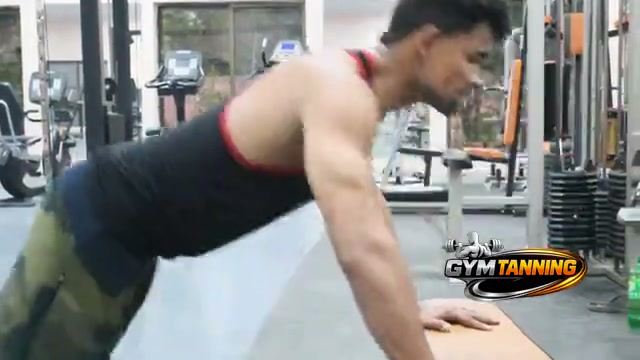
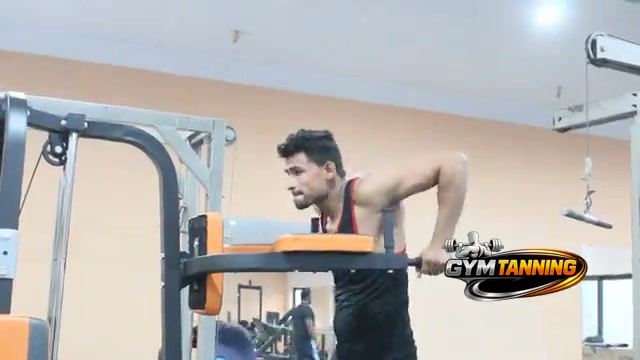
As demonstrated in our training videos, beginners should prioritize movements that build both strength. Motor control. Focusing on "The Big 3" movements will yield 80% of your results.
Upper back and rear delts.
1. Vertical Pulling (Lat Pulldowns or Assisted Pull-Ups)
Vertical pulls target the width of your back. For a detailed breakdown of form, read our mastering the lat pulldown guide. For beginners. TheLat Pulldownis safer as it allows you to adjust the weight.Pro Tip:Use a "thumbless grip" (placing the thumb on top of the bar). This helps reduce bicep involvement. Forces the lats to do the heavy lifting.
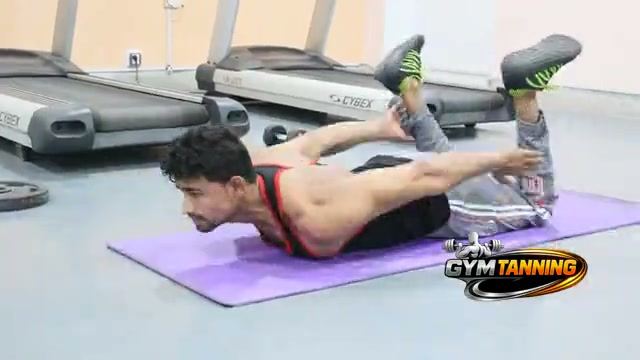
Lower back and spinal erectors.
2. Horizontal Pulling (Seated Cable Rows)
Rows build the "thickness" or density of the mid-back. For a complete guide, check out building mid-back thickness with rows.
The Strategy: Imagine you are trying to squeeze a pencil between your
shoulder blades at the peak of the movement. This "peak contraction" is where the most muscle
fiber recruitment happens.
3. Defensive Pulling (Face Pulls)
Often overlooked, face pulls target the rear delts and lower traps. This is the "corrective" exercise that keeps your shoulders healthy. Reverses the damage of sitting at a desk all day.
The Mind-Muscle Connection: "Pulling with Elbows"
The biggest mistake beginners make is pulling with their hands. Your hands are merely "hooks." If you focus on your hands. Your biceps will take over. Instead, visualize yourelbows. Imagine someone is standing behind you. You are trying to elbow them in the ribs. This simple mental cue shift can double the activation of your Lats.
FAQ: Beginner Back Training
Should I use lifting straps as a beginner?
Generally, no. As a beginner, you want to develop your grip strength naturally. Only consider straps if your grip is failing greatly before your back muscles are fatigued on your heaviest sets.
How do I know if I'm using my back. Not just my arms?
If your biceps are "pumped". Sore but your back feels nothing, your form is off. Focus on lowering the weight. Mastering the shoulder blade retraction (pulling shoulders back) before the arms move.
Can I train back every day?
No. Muscle grows while you rest. For beginners, 2 dedicated back sessions per week with at least 48 hours of rest in between is the sweet spot for recovery. Growth.
Why does my lower back hurt after rowing?
This usually means you are "ego lifting". Using your torso to swing the weight. Keep your core braced and your spine neutral. If the pain persists, switch to Chest-Supported Rows.
Conclusion
A strong back is the mark of a serious lifter. It protects your spine. Improves your posture, and provides the foundation for every other lift in the gym. Once you have mastered the basics, explore advanced back isolation techniques for more targeted development. Master the form, focus on the elbows, and be patient. Rome wasn't built in a day, and neither is a powerful V-taper.