Who Is This For?
This guide is for athletes and active individuals who want to optimize their recovery between workouts for better performance and injury prevention. Research consistently shows that evidence-based approaches to fitness yield superior results compared to anecdotal methods.
Who Should Avoid This?
If you have a chronic health condition, cardiovascular issues, or are recovering from an acute injury, consult your doctor before using these recovery techniques.
Unlocking tight joints. Improving movement patterns requires clear stretching and active mobility drills. Today, we explore the science of 10-Minute Daily Joint Routine to enhance your flexibility. Athletic performance. Restore joint health and posture. To monitor your daily calorie needs for active recovery, check out ourFree Calorie Calculator.
1. Understanding the Core Science
Synovial fluid has no direct blood supply. This mobility plan helps realign tissue fibers, restoring mechanical balance across joints.
Flexibility is the passive range of motion of a muscle. Active mobility drills prep the nervous system. Lubricating the synovial fluid in your joints.
Use active mobility movements before heavy training. Reserve deep static stretches for post-workout recovery.
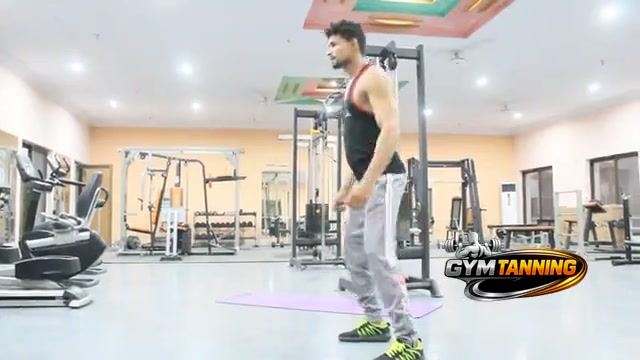
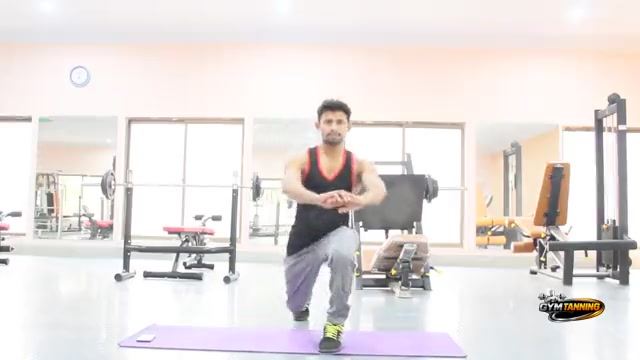
A flowing mobility sequence that moves every joint through its full range - great for active recovery days.
2. Comparison & Data Metrics
| Protocol Type | Target Area | Recommended Intensity | Optimal Frequency |
|---|---|---|---|
| Standard Routine | 10-Minute Daily Joint Routine | Moderate to High (RPE 7-9) | 2-3 times per week |
| Advanced Protocol | Systemic fitness | Peak Intensity (RPE 9-10) | 1 time per week |
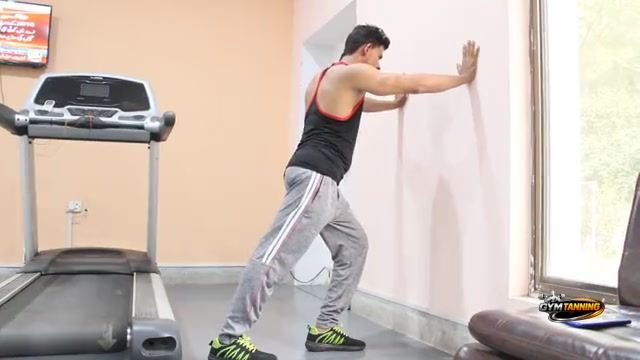
Start your day right with this morning flexibility routine that loosens stiff muscles. Energizes your body.
3. Step-by-Step Action Plan
Static stretching before lifting temporarily reduces muscle power output. Utilize this simple checklist to establish a steady recovery and flexibility routine:
Your Action Checklist
- Pillar 1: Synovial fluid has no direct blood supply.
- Pillar 2: Flexibility is the passive range of motion of a muscle.
- Pillar 3: Static stretching before lifting temporarily reduces muscle power output.
- Pillar 4:Post-workout is the best window for static stretches.
4. Advanced Considerations
Post-workout is the best window for static stretches. Focus on target areas like the hips and thoracic spine. Are common bottlenecks for compound movement.
Expert Pro-Tip
Always focus on strict control during your sessions. Consistency of progressive overload beats random hard efforts.
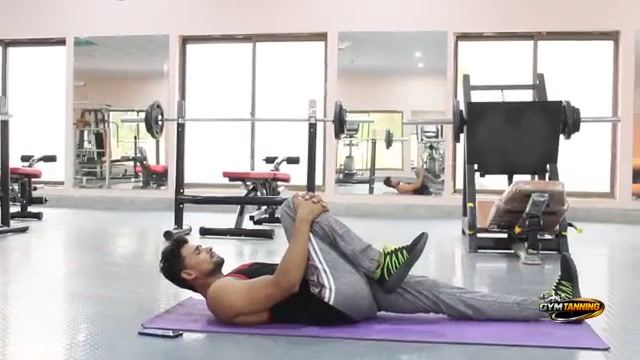
Reduce muscle soreness. Improve recovery with this complete cool down stretch after your workout.
5. Summary and Final Thoughts
Unlocking your body's flexibility takes time and steady practice. Make mobility work a daily habit. Tailor your recovery nutrition with ourCustom Diet Planner, and track your flexibility routines on ourWorkout Routine Planner.