Who Is This For?
This guide is for athletes and active individuals who want to optimize their recovery between workouts for better performance and injury prevention. Research consistently shows that evidence-based approaches to fitness yield superior results compared to anecdotal methods.
Who Should Avoid This?
If you have a chronic health condition, cardiovascular issues, or are recovering from an acute injury, consult your doctor before using these recovery techniques.
Unlocking tight joints. Improving movement patterns requires clear stretching and active mobility drills. Today, we explore the science of Mobility vs. Flexibility vs. Laxity to enhance your flexibility and athletic performance. Restore joint health and posture. To monitor your daily calorie needs for active recovery, check out ourFree Calorie Calculator.
1. Understanding the Core Science
Flexibility is the passive range of motion of a muscle. Understanding this biomechanical process allows you to perform deep lifts like squats. Deadlifts with perfect form.
Static stretching before lifting temporarily reduces muscle power output. Active mobility drills prep the nervous system. Lubricating the synovial fluid in your joints.
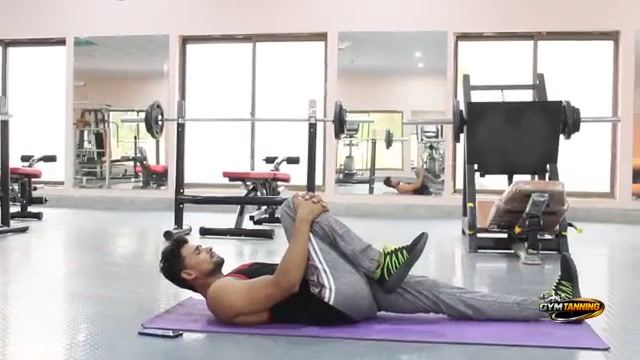
Sink into stretches slowly during exhalations. Hold for 20 to 30 seconds to allow the muscles to relax.
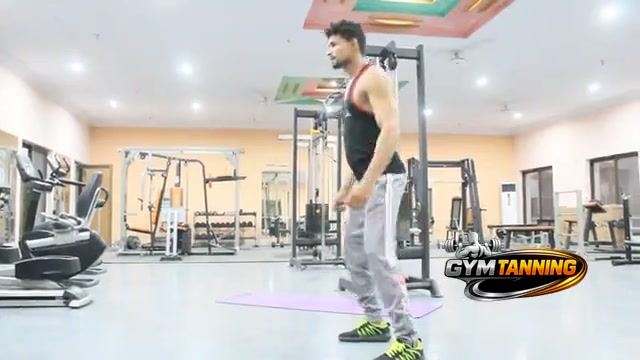
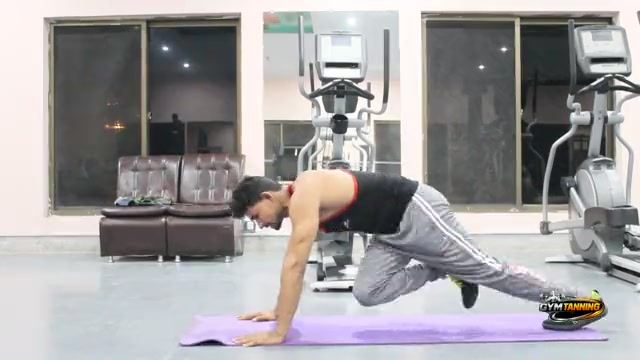
A flowing full-body stretch sequence that warms up joints. Increases range of motion before heavy lifting.
2. Comparison & Data Metrics
| Protocol Type | Target Area | Recommended Intensity | Optimal Frequency |
|---|---|---|---|
| Standard Routine | Mobility vs. Flexibility vs. Laxity | Moderate to High (RPE 7-9) | 2-3 times per week |
| Advanced Protocol | Systemic fitness | Peak Intensity (RPE 9-10) | 1 time per week |
Lubricate every joint from neck to ankles with this joint circulation warm-up routine.
3. Step-by-Step Action Plan
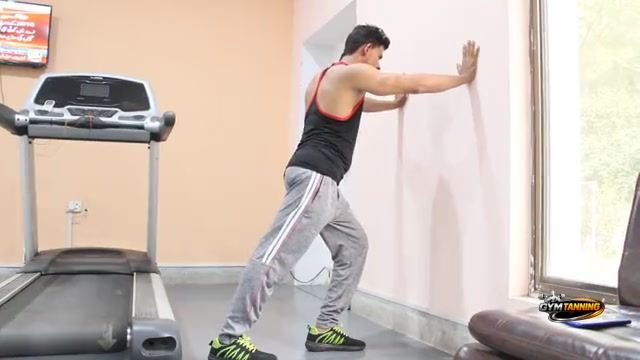
Post-workout is the best window for static stretches.
Your Action Checklist
- Pillar 1: Flexibility is the passive range of motion of a muscle.
- Pillar 2: Static stretching before lifting temporarily reduces muscle power output.
- Pillar 3:Post-workout is the best window for static stretches.
- Pillar 4:PNF (Proprioceptive Neuromuscular Facilitation) involves contracting a muscle isometricly against resistance before stretching it. Exploiting autogenic inhibition for rapid flexibility gains.
4. Advanced Considerations
PNF (Proprioceptive Neuromuscular Facilitation) involves contracting a muscle isometricly against resistance before stretching it. Exploiting autogenic inhibition for rapid flexibility gains. Combine static stretching with eccentric controls to build strength at the end-ranges of motion.
Expert Pro-Tip
Always focus on strict control during your sessions. Consistency of progressive overload beats random hard efforts.
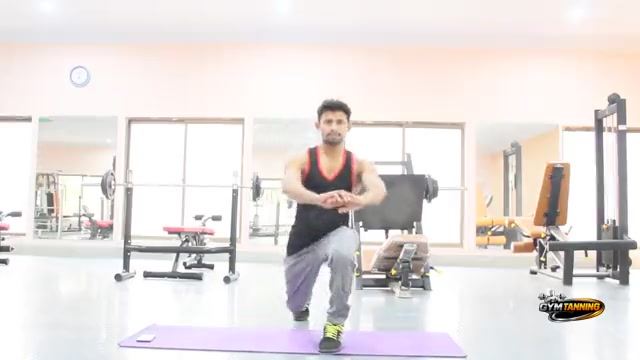
Open up the inner thighs. Groin - vital for leg day recovery and squat depth.
5. Summary and Final Thoughts
Unlocking your body's flexibility takes time and steady practice. Make mobility work a daily habit. Tailor your recovery nutrition with ourCustom Diet Planner, and track your flexibility routines on ourWorkout Routine Planner.