Who Is This For?
This article is for anyone pursuing fitness goals who wants to develop the mental skills and habits needed for long-term success. Research consistently shows that evidence-based approaches to fitness yield superior results compared to anecdotal methods.
Who Should Avoid This?
If you are experiencing severe anxiety, depression, or other mental health concerns, please seek support from a qualified mental health professional.
Long-term fitness success is built on mental discipline, clear habit loops. Clear goal-setting. Today, we explore the mindset behind Autoregulation (RIR/RPE) to help you stay motivated. Focused. Learn how to overcome training plateaus. To calculate your daily calorie targets for your body goals. Check out our.Free Calorie Calculator.
1. Understanding the Core Science
Autoregulation adjusts your training load based on daily stress and sleep. Mental preparation optimizes focus, motor unit recruitment. Pain tolerance during intense physical training.
Visual tracking reinforces habits. This mindset shift helps you embrace the discomfort of training as a stimulator for growth.
Establish a solid pre-workout routine to signal to your brain that it is time to focus. Train.
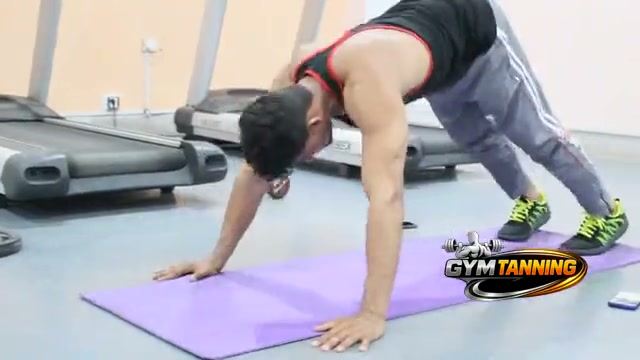
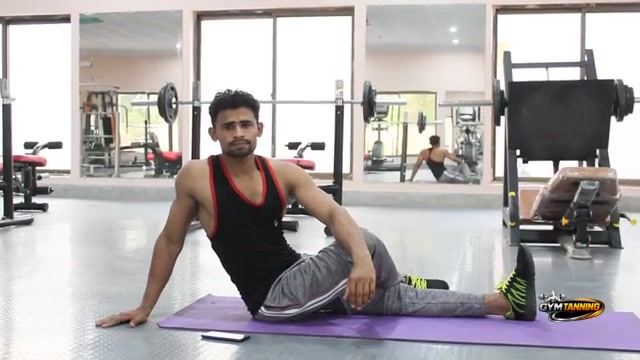
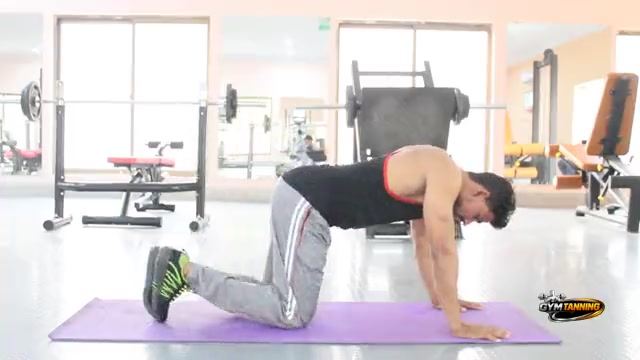
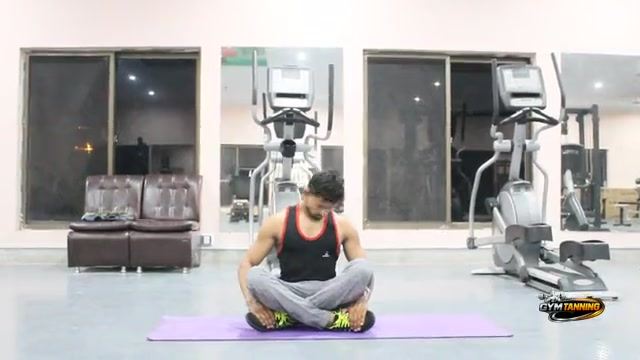
Get your whole body moving with this dynamic warm-up - perfect before any home workout session.
2. Comparison & Data Metrics
| Protocol Type | Target Area | Recommended Intensity | Optimal Frequency |
|---|---|---|---|
| Standard Routine | Autoregulation (RIR/RPE) | Moderate to High (RPE 7-9) | 2-3 times per week |
| Advanced Protocol | Systemic fitness | Peak Intensity (RPE 9-10) | 1 time per week |
Wake up the glutes, hip flexors. Leg muscles with targeted activation drills before lower body workouts.
3. Step-by-Step Action Plan
High stress elevates cortisol, a catabolic hormone that slows recovery. Use this clear checklist to build your mental focus, routine. Discipline daily:.
Your Action Checklist
- Pillar 1: Autoregulation adjusts your training load based on daily stress and sleep.
- Pillar 2: Visual tracking reinforces habits.
- Pillar 3: High stress elevates cortisol, a catabolic hormone that slows recovery.
- Pillar 4: Fitness is a lifelong habit.
4. Advanced Considerations
Fitness is a lifelong habit. Build a support system. Write down your goals to keep high accountability over time.
Expert Pro-Tip
Always focus on strict control during your sessions. Consistency of progressive overload beats random hard efforts.
Activate shoulders, chest. Arms before upper body workouts with this targeted warm-up sequence.
5. Summary and Final Thoughts
Scuplting your mind is just as important as sculpting your body. Approach each workout with intent. Fuel your mental focus with best nutrition using ourCustom Diet Planner, and organize your training schedule on ourWorkout Routine Planner.