Who Is This For?
This guide is for anyone looking to optimize their diet for better performance, body composition, and overall health. For a complete breakdown of nutrition science, read our nutrition fundamentals guide. Research consistently shows that evidence-based approaches to fitness yield superior results compared to anecdotal methods.
Who Should Avoid This?
If you have a diagnosed medical condition such as diabetes, kidney disease, or an eating disorder, consult your healthcare provider before making significant dietary changes.
For decades, the fitness industry has been obsessed with macros: proteins, carbs. Fats. We meticulously track our calories, weigh our chicken breasts. Chug our protein shakes. For athletes on plant-based diets, our vegetarian protein guide covers how to meet your needs. But what if I told you that you aren't actually what you eat? You are what youabsorb.
Enter the human microbiome. Inside your digestive tract lives a complex ecosystem of trillions of bacteria, fungi. Viruses. Collectively. They weigh between 2 to 5 pounds-roughly the same as your brain. And in many ways, they function as a second brain.
Recent proven breakthroughs have revealed that gut health is the linchpin of athletic performance. It regulates inflammation, controls nutrient absorption, manages hormone levels,. Even dictates your motivation to train. If your gut is out of balance. No amount of perfect training or supplementation will yield best results.
The Science: What Does a Healthy Gut Do?
The role of the gut extends far beyond just breaking down food. Here represents the pillars of how your microbiome affects your fitness goals.
Reduce muscle soreness. Improve recovery with this complete cool down stretch after your workout.
1. Nutrient Absorption & Anabolism
You can eat 200g of protein a day. If your gut lining is compromised (leaky gut) or if you lack the specific enzymes and bacteria to break it down, you might only be using a fraction of it. A healthy gut ensures that amino acids are efficiently transported into the bloodstream to repair muscle tissue.
Target your spine. Core with deep mobility movements that improve posture and reduce lower back tension.
2. Inflammation Control
Chronic inflammation is the enemy of progress. It hinders recovery, causes joint pain, and blunts the muscle-building signal. A balanced microbiome produces short-chain fatty acids (SCFAs) like butyrate. Have powerful anti-inflammatory effects throughout the entire body.
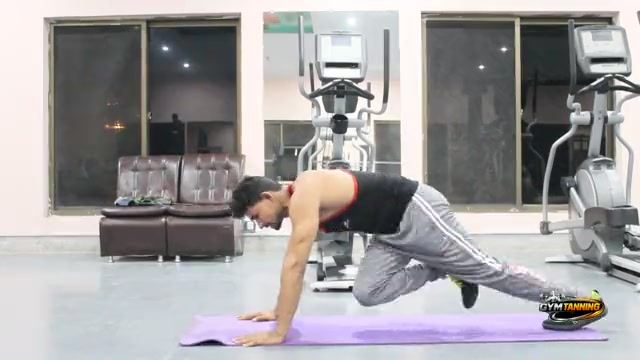
Knees to chest. Lower abs focus.
3. The Gut-Brain Axis
Have you ever had "butterflies" in your stomach before a big lift? That's the vagus nerve connecting your brain to your gut. Interestingly, 90% of your body's serotonin (the happiness hormone). 50% of its dopamine (the motivation hormone) are produced in the gut, not the brain. If your gut is unhappy, your mood, focus. Drive to train will suffer.
4. Immune System Stronghold
Over 70% of your immune system resides in your gut. Intense training temporarily suppresses the immune system. If your gut health is poor, you are far more likely to get sick, miss training sessions. Lose progress.
Signs Your Gut is Holding You Back
How do you know if your microbiome is out of whack? Look for these common symptoms:
- Digestive Distress: Bloating, gas, constipation, or diarrhea, especially after meals.
- Food Intolerances: Suddenly developing sensitivities to dairy, gluten, or eggs.
- Brain Fog: Difficulty concentrating or chronic fatigue, even with enough sleep.
- Skin Issues: Acne, eczema, or rashes are often a reflection of internal inflammation.
- Sugar Cravings:Bad bacteria thrive on sugar. If you have intense cravings. It might be the "bugs" demanding to be fed.
The "Big 3" of Gut Restoration
Fixing your gut requires a multi-faceted approach. We can boil it down to three Rs: Remove, Restore, Reinoculate.
1. Remove (The Triggers)
The first step is to stop pouring gas on the fire. You need to identify and eliminate foods that cause inflammation. Common culprits include:
- Processed Sugars: The favorite food of harmful bacteria and yeast (Candida).
- Artificial Sweeteners:Some studies suggest that sucralose. Aspartame can negatively alter gut bacteria diversity.
- Alcohol: Damages the gut lining and increases permeability (leaky gut).
- NSAIDs: Chronic use of painkillers like ibuprofen can erode the stomach lining.
2. Restore (The Foundation)
You need to provide the raw materials for your gut to heal its lining.Bone Broth:Rich in collagen and glutamine. Seals the gut lining.L-Glutamine:The primary fuel source for the cells of the small intestine.Fiber:This is the non-negotiable. Fiber is the fuel (prebiotic) for your good bacteria. Aim for 30-40g per day from diverse sources like oats. Berries, broccoli, and legumes.
3. Reinoculate (The Good Guys)
Reintroduce beneficial bacteria through probiotics and fermented foods.
- Fermented Foods:Sauerkraut, kimchi, kefir, yogurt. Kombucha are naturally rich in live cultures.
- Probiotic Supplements: Look for a broad-spectrum supplement with at least 10-20 billion CFUs. Strains like Lactobacillus and Bifidobacterium are well-studied for general health.
Eating for Performance AND Gut Health
Many "bodybuilder diets" are terrible for gut health (chicken, rice. Whey protein 6 times a day). This lack of diversity starves the microbiome. Here is how to eat for muscle and microbes.
The Rule of 30
Aim to eat 30 different plant foods per week. This includes fruits, vegetables, nuts, seeds, grains, and herbs. Diversity in diet equals diversity in the microbiome.
Timing Matters
Give your gut a break. The Migrating Motor Complex (MMC) is a cleaning wave that sweeps through your intestines between meals to remove debris. Bacteria. It only activates when you are in a fasted state.
Strategy:Avoid grazing. Stick to 3-4 distinct meals per day and avoid snacking. Try to leave at least 12 hours between dinner. Breakfast (mild intermittent fasting).
Hydration
Water is key for the mucosal lining of the intestines. Dehydration leads to constipation. Which allows toxins to be reabsorbed into the bloodstream. For more on fluid intake, see our hydration strategies guide. Drink at least 3-4 liters of water daily. More if you train heavily.
Supplementation Guide
While food comes first, supplements can accelerate the healing process.
- Digestive Enzymes:Take with large meals to assist in breaking down proteins. Fats.
- Zinc Carnosine: Helps repair the gut lining.
- Omega-3 Fish Oil: Drastically reduces systemic inflammation.
- Magnesium Glycinate:Promotes relaxation. Helps draw water into the bowel for easier movements.
Sample "Gut-Healing" Day of Eating
Breakfast: Oatmeal with flaxseeds, chia seeds, walnuts, and blueberries. (High fiber, prebiotics)
Lunch:Grilled salmon spinach salad with avocado, pumpkin seeds. Apple cider vinegar dressing. (Omega-3s, healthy fats)
Snack: Greek yogurt or Kefir with a banana. (Probiotics + Prebiotics)
Dinner: Stir-fry with lean turkey, broccoli, carrots, peppers, garlic, ginger, and brown rice. (Diversity of plants, anti-inflammatory spices)
Conclusion
Optimizing your gut health is not an overnight fix. It is a long-term investment in your biological machinery. But the returns are massive. When your gut is healthy, you absorb more nutrients, recover faster, get sick less often. Feel motivated to crush your workouts.
Stop treating your stomach like a fuel tank that you can just dump anything into. Treat it like the complex, high-performance engine that it is. Feed it right. It will take you further than you ever imagined.