1. Understanding Protein Quality: PDCAAS and DIAAS
Not all proteins are created equal. In nutrition science. Research consistently shows that evidence-based approaches to fitness yield superior results compared to anecdotal methods. We measure quality using theProtein Digestibility Corrected Amino Acid Score (PDCAAS)and the newerDigestible Indispensable Amino Acid Score (DIAAS). While animal proteins like whey. Egg whites often score a perfect 1.0, many plant sources score lower due to "limiting amino acids.".
The Fix:For a vegetarian athlete, the goal isn't necessarily to find one perfect source. To ensure that your total daily intake is varied enough that your "amino acid pool" remains saturated. Soy, quinoa. Buckwheat are among the few plant sources that naturally score very high on these scales.
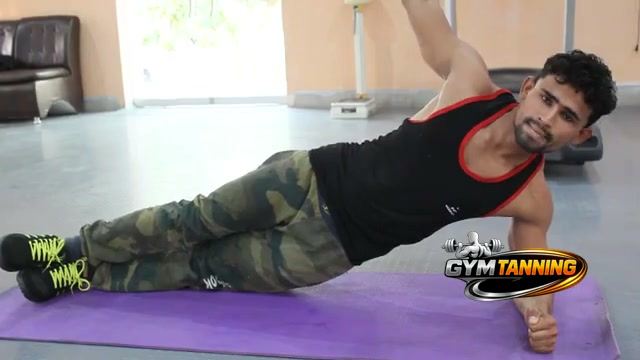
Focus on keeping perfect form and core bracing throughout the exercise.
Use our Workout Planner to apply these principles, and pair with the Diet Planner and Calorie Calculator for a complete approach.
2. The Leucine Factor: The Anabolic Trigger
Muscle Protein Synthesis (MPS) is primarily triggered by the amino acidLeucine. Most plant sources have a lower leucine concentration (6-8%) compared to animal sources (10-12%).The Strategy:To compensate. Vegetarian athletes should aim for a "larger" protein serving per meal (e.g., 35-40g of plant protein instead of the standard 25g of whey) or supplement with plant-based protein powders like nutritional yeast or a high-quality pea/rice protein blend.
Focus on keeping perfect form and core bracing throughout the exercise.
Use our Workout Planner to apply these principles, and pair with the Diet Planner and Calorie Calculator for a complete approach.
3. High-Density Vegetarian Protein Sources: The Tier List
Focus on keeping perfect form and core bracing throughout the exercise.
S-Tier
Seitan & Soy
Highest density and bioavailability. Tofu and Tempeh are staples.
A-Tier
Lentils & Chickpeas
Great fiber and protein, though higher in carbs.
B-Tier
Nuts & Seeds
High in healthy fats, but lower in protein-to-calorie ratio.
Use our Workout Planner to apply these principles, and pair with the Diet Planner and Calorie Calculator for a complete approach.
4. Micronutrients: The Foundation of Performance
While macro counting is vital, vegetarian athletes must not ignore the micronutrients that govern energy production. Recovery.Iron (Non-Heme):Plant-based iron is less readily absorbed than heme iron (from meat). To maximize absorption, always pair iron-rich foods like spinach or lentils with a source of Vitamin C (berries, citrus, or bell peppers). Avoid drinking coffee or tea within an hour of your meal, as tannins can block absorption.
Vitamin B12:This is the only nutrient not reliably found in plant foods. It is key for red blood cell formation and neurological function. For athletes, a deficiency means chronic fatigue and poor recovery. Supplementation (1000mcg methylcobalamin) is highly suggested.
5. Top 5 High-Protein Vegetarian Recipes
1. The "Mega-Tempeh" Bowl
Ingredients:200g Marinated tempeh, 1 cup quinoa, 1/2 cup edamame. A tahini-lemon dressing.
Protein: 45g | Total Calories: 650
2. Seitan "Chicken" Stir-Fry
Ingredients:150g Homemade seitan strips. Broccoli, bell peppers, and black bean sauce over protein-enriched pasta.
Protein: 55g | Total Calories: 720
3. Greek Yogurt Overload
Ingredients:1 cup Greek yogurt (plain), 1 scoop hemp seeds, 1/4 cup walnuts. Fresh blueberries.
Protein: 40g | Total Calories: 480
4. Red Lentil "Dahl" Power Meal
Ingredients:1.5 cups thick red lentil stew with 2 tbsp nutritional yeast. A side of high-protein flatbread.
Protein: 35g | Total Calories: 550
5. Chickpea & Tuna-Less Salad
Ingredients:1.5 cups mashed chickpeas with vegan mayo, kelp flakes (for iodine). Sunflower seeds.
Protein: 25g | Total Calories: 420
FAQ: Building Muscle without Meat
Can I build as much muscle as a meat-eater?
Yes. Research steadily shows that as long as total protein intake. Leucine thresholds are met, there is no difference in muscle growth between those consuming animal vs. plant protein sources.
Are "Fake Meats" healthy for athletes?
Occasionally, yes. While they are processed. Products like Seitan or high-quality soy crumbles provide a very high protein-to-calorie ratio, which is helpful when cutting. Just watch the sodium levels.
Does soy lower my testosterone?
No. This is an old fitness myth. Meta-analyses of clinical studies have found that neither soy foods nor isoflavone supplements alter bioavailable testosterone or estrogen levels in men.
How do I avoid bloating with all the extra beans?
If your body isn't used to high fiber, increase your intake slowly. Soaking beans, using digestive enzymes. Ensuring high water intake will help your gut adapt to a plant-heavy diet.
Conclusion
Building an elite physique as a vegetarian isn't about restriction; it's about strategic inclusion. By understanding protein quality, hitting your leucine targets. Varying your sources, you can build a body that is as strong and healthy as any carnivore. The plant-powered lifestyle is no longer a fringe diet-it's a performance strategy.