Who Is This For?
This content is for fitness professionals, coaches, and science-minded athletes who want to understand the biological mechanisms behind training adaptations. Research consistently shows that evidence-based approaches to fitness yield superior results compared to anecdotal methods.
Who Should Avoid This?
The information here is educational. If you have a specific medical concern, consult a qualified healthcare professional.
We often hear that "muscles are torn in the gym. Built in bed." But what does that actually mean? Is it just about sleep, or is there a complex cascade of hormonal. Cellular events taking place?
In this article, we go beyond basic advice. Look at the physiology of recovery. By understanding the biological mechanisms of repair, you can hack your body's systems to recover faster, train harder. Grow bigger.
1. The mTOR Pathway: The Holy Grail of Growth
At the molecular level. Muscle growth is governed by themTOR (mechanistic Target of Rapamycin)pathway. Think of mTOR as the "master switch" for protein synthesis. When you lift weights, the mechanical tension activates this pathway. Then signals your ribosomes to start building new muscle proteins.
The mTOR Trio:To keep this switch in the "on" position, you need three things:1.Mechanical Tension(the workout)2.Amino Acid Availability(Leucine being the most important)3.Energy Surplus(insulin. IGF-1 activation).
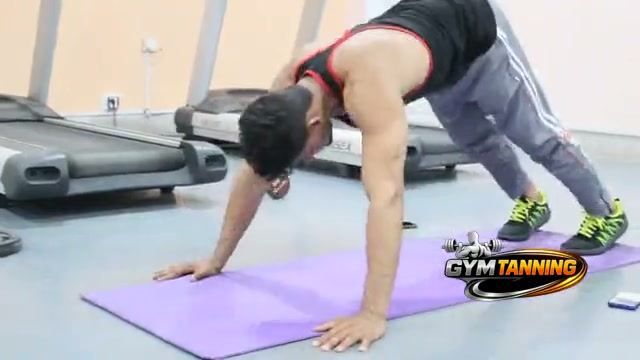
Target your spine. Core with deep mobility movements that improve posture and reduce lower back tension.
Use our Workout Planner to apply these principles, and pair with the Diet Planner and Calorie Calculator for a complete approach.
2. Cell Swelling: More Than Just a "Pump"
The "pump" is often dismissed as temporary. It plays a proven role in recovery. When blood. Fluid rush to the muscle, it causes the cell to swell. This stretching of the cell membrane is interpreted by the muscle as a threat to its structural integrity. In response. The cell triggers an anabolic signal to strengthen its structure, effectively using the "swell" as a signal for long-term growth.
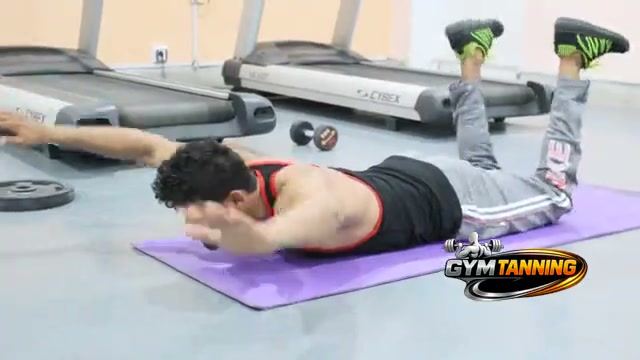
Open up tight hips. Improve ankle flexibility - key for squats, deadlifts and athletic performance.
Use our Workout Planner to apply these principles, and pair with the Diet Planner and Calorie Calculator for a complete approach.
3. Systemic Inflammation: The Double-Edged Sword
In the fitness world, "inflammation" is a dirty word. However,acute inflammationis the very signal that starts the repair process. White blood cells (macrophages) rush to the site of the micro-tears to clear out debris and release growth factors.The Trap:Chronic inflammation (caused by stress, poor diet, or lack of sleep) avoids this acute repair from ever finishing. Muscle wasting and injury.
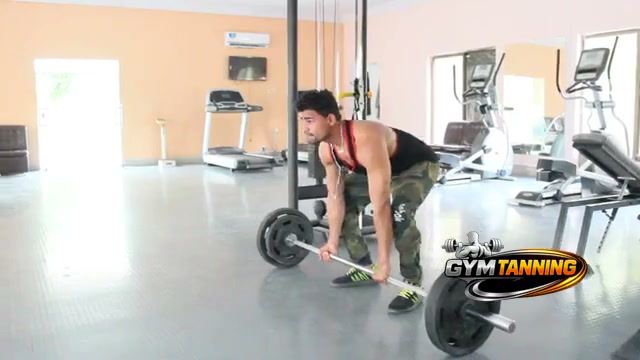
A flowing mobility sequence that moves every joint through its full range - great for active recovery days.
Use our Workout Planner to apply these principles, and pair with the Diet Planner and Calorie Calculator for a complete approach.
FAQ: The Biology of Recovery
How long does Muscle Protein Synthesis (MPS) last?
For beginners, MPS can stay elevated for up to 48-72 hours. For advanced lifters, that window shrinks greatly-often to just 12-24 hours. This is why advanced lifters need more training how often.
Does alcohol actually kill my gains?
Yes. Alcohol directly blunts the mTOR pathway. Reduces protein synthesis by up to 30%. It also dehydrates cells. Lowers testosterone, creating a perfect storm for poor recovery.
Is there a limit to how much muscle I can recover in a day?
Your body has a finite capacity for repair governed by your hormonal profile. Nutrient intake. Training "more" doesn't always lead to "more" recovery; often. It just leads to more damage than you can fix.
Can antioxidants (like Vitamin C) hinder recovery?
Paradoxically, yes. Extremely high doses of antioxidants immediately post-workout can "mop up" the oxidative stress needed to signal the body to adapt. Grow. Stick to whole foods for your vitamins.
Conclusion
Muscle growth is a masterpiece of biology. By respecting the MPS window, optimizing your mTOR signaling through nutrition. Managing inflammation, you are no longer just guessing-you are engineering your physique. Treat your recovery with the same effort as your training. The results will become inevitable.