Who Is This For?
This guide is for athletes and active individuals who want to optimize their recovery between workouts for better performance and injury prevention. Research consistently shows that evidence-based approaches to fitness yield superior results compared to anecdotal methods.
Who Should Avoid This?
If you have a chronic health condition, cardiovascular issues, or are recovering from an acute injury, consult your doctor before using these recovery techniques.
Optimal athletic performance is impossible without clear active recovery. Physical rest plans. Today, we explore the physiology of Active Recovery (Blood Flow) to help you recover faster. Train harder. Learn how to manage systemic fatigue. To calculate your metabolic baseline during rest days, try ourFree Calorie Calculator.
1. Understanding the Core Science
Active recovery involves low-effort movement like walking. This recovery plan allows your muscle tissue to repair micro-tears. Replenish depleted glycogen.
Severe DOMS restricts range of motion. Active recovery. Such as light stretching or walking, increases local blood flow to tissues.
Listen to your body's biofeedback. Do not hesitate to schedule extra rest when feeling chronic fatigue.
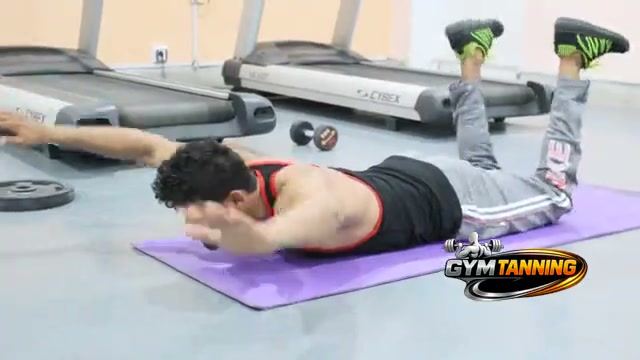
Open up tight chest. Shoulder muscles for better posture and upper body mobility.
2. Comparison & Data Metrics
| Protocol Type | Target Area | Recommended Intensity | Optimal Frequency |
|---|---|---|---|
| Standard Routine | Active Recovery (Blood Flow) | Moderate to High (RPE 7-9) | 2-3 times per week |
| Advanced Protocol | Systemic fitness | Peak Intensity (RPE 9-10) | 1 time per week |
Target your spine. Core with deep mobility movements that improve posture and reduce lower back tension.
3. Step-by-Step Action Plan
Cold therapy (ice baths) restricts blood flow. Can suppress muscle growth pathways. Optimizing your rest days requires the same discipline as your training days. Follow this checklist:
Your Action Checklist
- Pillar 1:Active recovery involves low-effort movement like walking.
- Pillar 2: Severe DOMS restricts range of motion.
- Pillar 3:Cold therapy (ice baths) restricts blood flow. Can suppress muscle growth pathways.
- Pillar 4: Cortisol is a catabolic stress hormone that breaks down muscle tissue.
4. Advanced Considerations
Cortisol is a catabolic stress hormone that breaks down muscle tissue. Match your calorie intake to your recovery needs to support tissue repair without unwanted fat gain.
Expert Pro-Tip
Always focus on strict control during your sessions. Consistency of progressive overload beats random hard efforts.
Improve wrist mobility. Forearm flexibility � key for bench press and overhead movements.
5. Summary and Final Thoughts
True progress happens when you rest. Respect your recovery days just as much as your hard training sessions. Plan your recovery meals with ourCustom Diet Planner, and track your active recovery routines on ourWorkout Routine Planner.