Who Is This For?
This guide is for athletes and active individuals who want to optimize their recovery between workouts for better performance and injury prevention. Research consistently shows that evidence-based approaches to fitness yield superior results compared to anecdotal methods.
Who Should Avoid This?
If you have a chronic health condition, cardiovascular issues, or are recovering from an acute injury, consult your doctor before using these recovery techniques.
Managing muscle repair. Chronic inflammation is the key to longevity in heavy lifting. In this manual. We discuss the mechanics of Identifying CNS Exhaustion to eliminate post-workout soreness. Rest with purpose. To find your recovery daily energy targets, use ourFree Calorie Calculator.
1. Understanding the Core Science
CNS fatigue is systemic, reducing grip strength and neural output. Quality sleep is the single most powerful recovery tool. During which growth hormone is released.
Self-massage using a lacrosse ball relaxes local trigger points in muscle bellies, reducing muscle stiffness. Restoring joint mobility. This slowing down of the nervous system helps lower cortisol. Supports overall hormonal balance.
Hydrate thoroughly. Eat enough protein with every meal post-session to give your body the raw materials for repair.
Stretch your abdominals. Lower back to improve posture and reduce stiffness through targeted core flexibility work.
2. Comparison & Data Metrics
| Protocol Type | Target Area | Recommended Intensity | Optimal Frequency |
|---|---|---|---|
| Standard Routine | Identifying CNS Exhaustion | Moderate to High (RPE 7-9) | 2-3 times per week |
| Advanced Protocol | Systemic fitness | Peak Intensity (RPE 9-10) | 1 time per week |
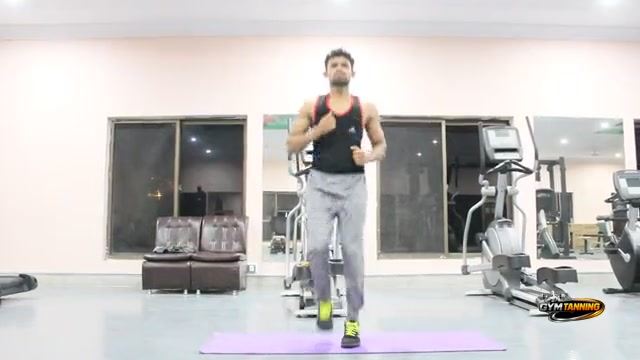
Raise your heart rate. Body temperature with this light cardio warm-up before high effort training.
3. Step-by-Step Action Plan
A deload week involves cutting working sets by 50% while keeping load moderate. Utilize this simple checklist to establish a steady. Science-backed recovery routine every week:.
Your Action Checklist
- Pillar 1: CNS fatigue is systemic, reducing grip strength and neural output.
- Pillar 2:Self-massage using a lacrosse ball relaxes local trigger points in muscle bellies, reducing muscle stiffness. Restoring joint mobility.
- Pillar 3: A deload week involves cutting working sets by 50% while keeping load moderate.
- Pillar 4: Rest days are growth days.
4. Advanced Considerations
Rest days are growth days. Advanced recovery methods include contrast therapy, compression gear, and periodized deload weeks.
Expert Pro-Tip
Always focus on strict control during your sessions. Consistency of progressive overload beats random hard efforts.
Activate shoulders, chest. Arms before upper body workouts with this targeted warm-up sequence.
5. Summary and Final Thoughts
True progress happens when you rest. Respect your recovery days just as much as your hard training sessions. Plan your recovery meals with ourCustom Diet Planner, and track your active recovery routines on ourWorkout Routine Planner.